The story
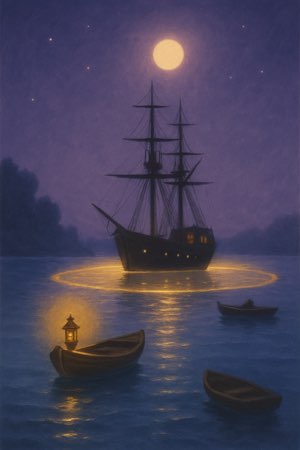
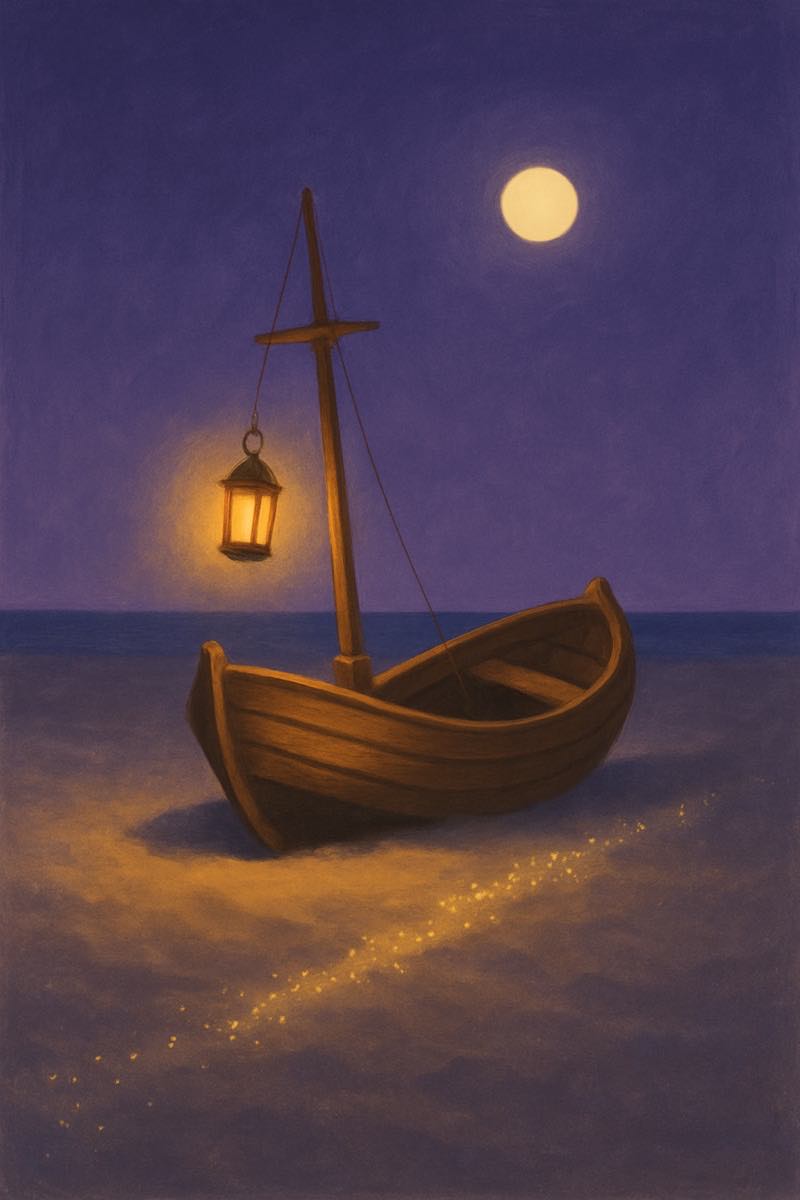
For a sailing ship, running aground at high tide could be a long, slow trouble. As the water ebbed away, the ship was left resting on the sand or mud, high above the water line and completely dry.
Sailors and shipping reporters had a name for that. In August 1796, the London Times ran a Ship News report on a Russian frigate, the Archipelago, that ran aground near the mouth of the Thames: the tide, it said, “left her nearly high and dry.”
The word dry carried weight. It meant the ship wasn’t just out of the water for a moment. It had been there for some time and was likely to stay there, waiting for the right tide, or for help, to float it off.
In time, people on land borrowed the picture. Anyone stuck without support, from a stranded traveler to a business with no backers, could be left high and dry.