The story
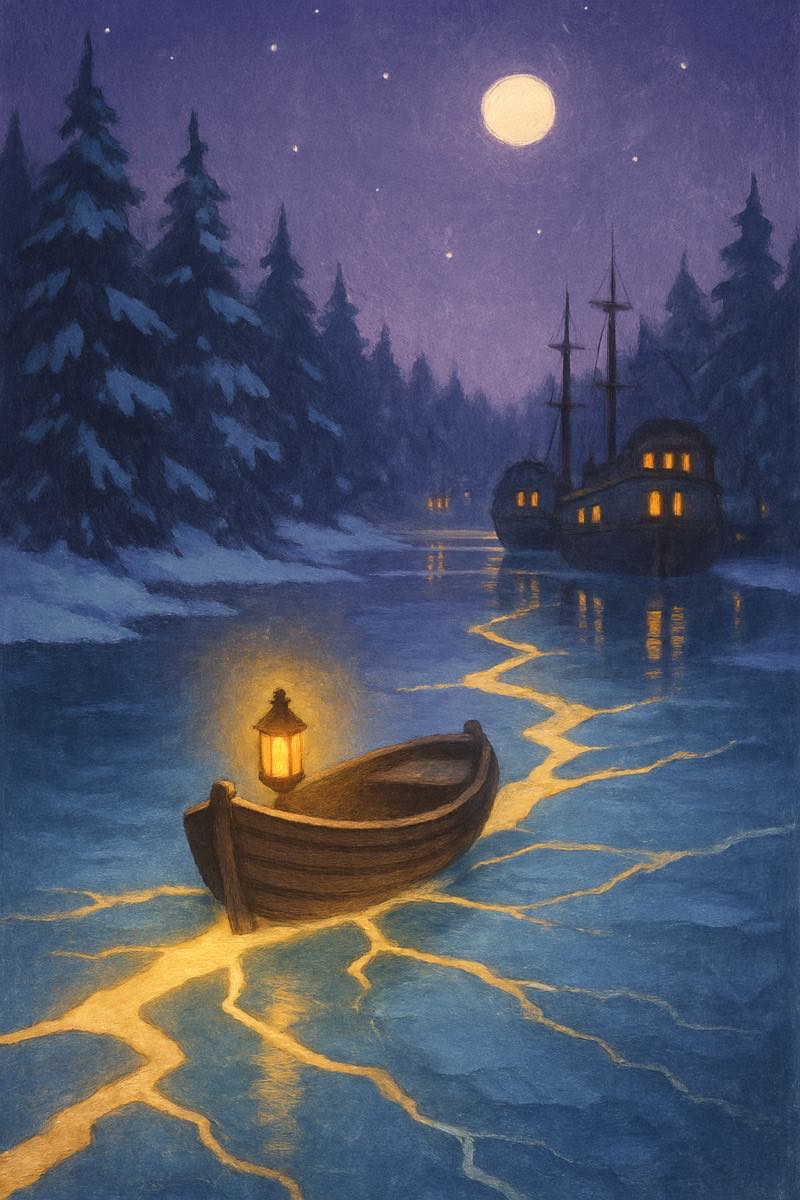
In the days of sail, winter could freeze a river or harbor solid and trap boats until spring. Breaking the ice meant smashing a channel through so traffic could move again. That is the picture behind the phrase: a hard first job, done by whoever goes first.
The figurative sense was already in print by 1579. Thomas North’s English translation of Plutarch’s Lives speaks of being “the first to break the Ice of the Enterprize”—making the opening move so others could follow.
The social meaning came soon after. In 1664, Samuel Butler’s comic poem Hudibras has a speaker who “At last broke silence, and the Ice.” That is the sense we know best: ending an awkward quiet with the first friendly words.
Ships built just for the job came later. When purpose-built icebreakers appeared, around the turn of the 1700s, the old phrase went back to the water. In time the word icebreaker came ashore too, for anything that gets strangers talking.