The story
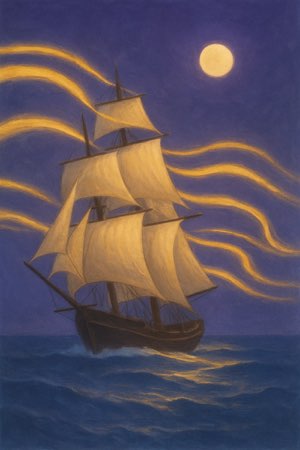
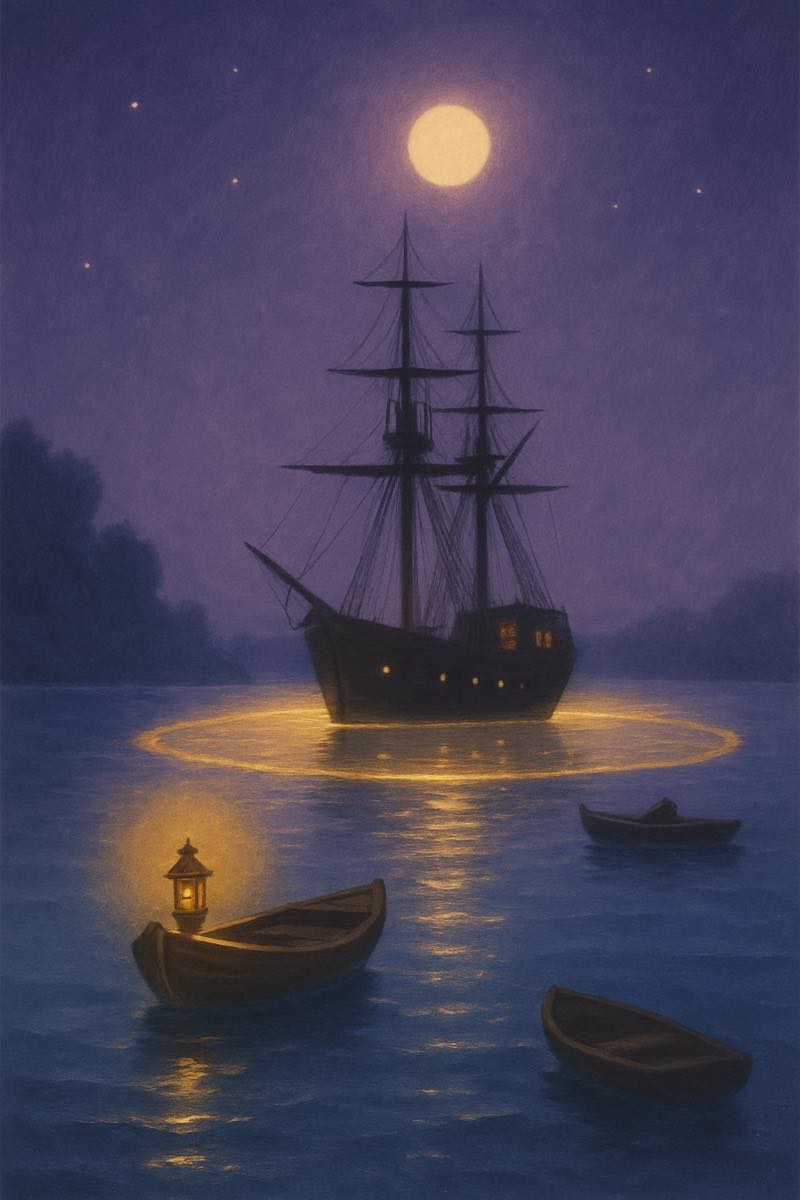
To sailors in the 1600s, a berth wasn’t a bed. It was sea room: the stretch of open water a ship needed to anchor safely. A ship at anchor swings with the wind and tide, and its berth had to be wide enough to keep it from bumping into rocks or other ships.
Careful captains kept a good berth from anything dangerous. In 1626, Captain John Smith, of Jamestown fame, advised young seamen: “Watch bee vigilant to keepe your berth to windward.”
Sailors spoke of a good berth, a clear berth and a strong berth. Then, in 1829, Sir Walter Scott wrote of “giving the apparent phantom what seamen call a wide berth.” On land, the sailor’s safety rule had become a way to avoid anything unpleasant.
The word itself probably comes from “bear,” as in to bear off, or steer away. The sleeping berth came later: by 1706, a berth was also a sailor’s place to stow a chest and sleep.