The story
Most people assume the phrase began with the ocean, where sailing ships sat becalmed near the equator. The truth runs the other way. The mood came first, and the ocean borrowed its name.
In the early 1800s, English had a word “doldrum,” meaning a dull, sluggish person. It likely grew from “dol,” an old form of “dull,” shaped like “tantrum.” A tantrum is too much feeling; a doldrum is too little. In 1811, a letter in London’s Morning Herald said, “I am now in the doldrums.”
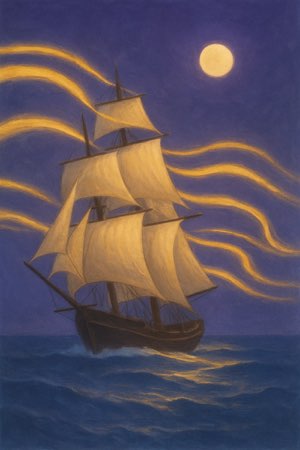
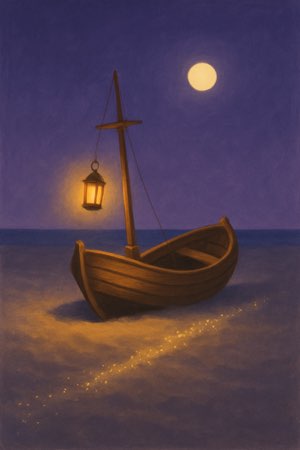
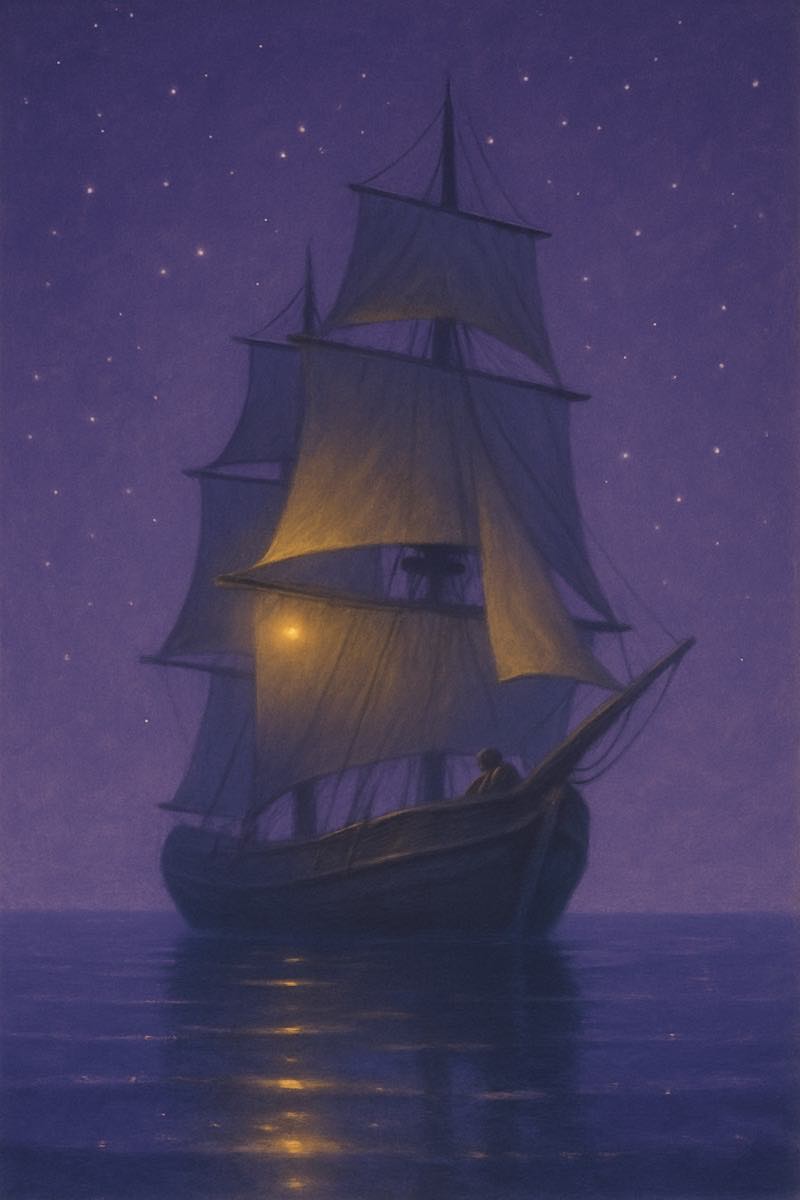
Sailors used the same words for their ships. A vessel stuck in a dead calm, sails hanging slack for days, was “in the doldrums,” as listless as any low-spirited person. Lord Byron wrote about becalmed ships this way in his 1824 poem The Island.
Landlubbers heard “in the doldrums” and assumed it was a place. By 1855, the American oceanographer Matthew Maury was writing about the Doldrums as a region of the sea, and the name stuck.