The story
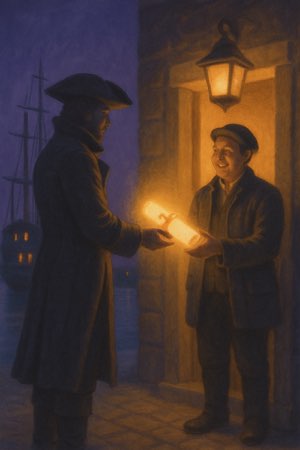
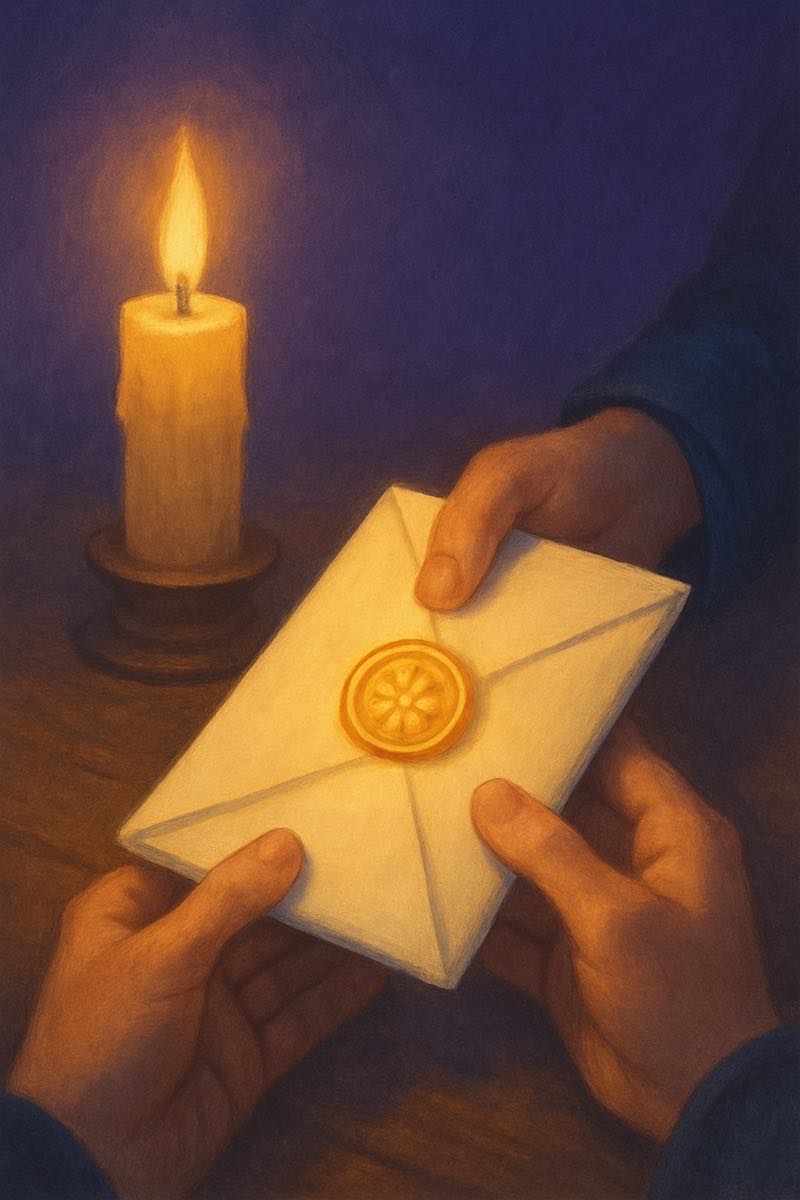
For centuries, an English deed to land wasn’t made binding by a signature. After the Norman Conquest, England relied on wax seals instead. A deed counted once it was sealed with warm wax pressed with a seal and then delivered, or handed over.
The deeds said so in their closing words. The usual form of witnessing was “sealed and delivered,” and a 1797 encyclopedia noted that the wording “continues to this day.”
Then the Statute of Frauds of 1677 required grants of land and many other deeds to be signed as well. With a signature, a seal and the handing over, the document was signed, sealed and delivered, complete and legally done.
Delivery mattered most of all. A deed could be signed and sealed and still sit in a drawer, but once it was handed over, the deal took effect.
The phrase outgrew the lawyer’s office. Today it means anything finished and officially settled, whether a contract, a promise or a package.