The story
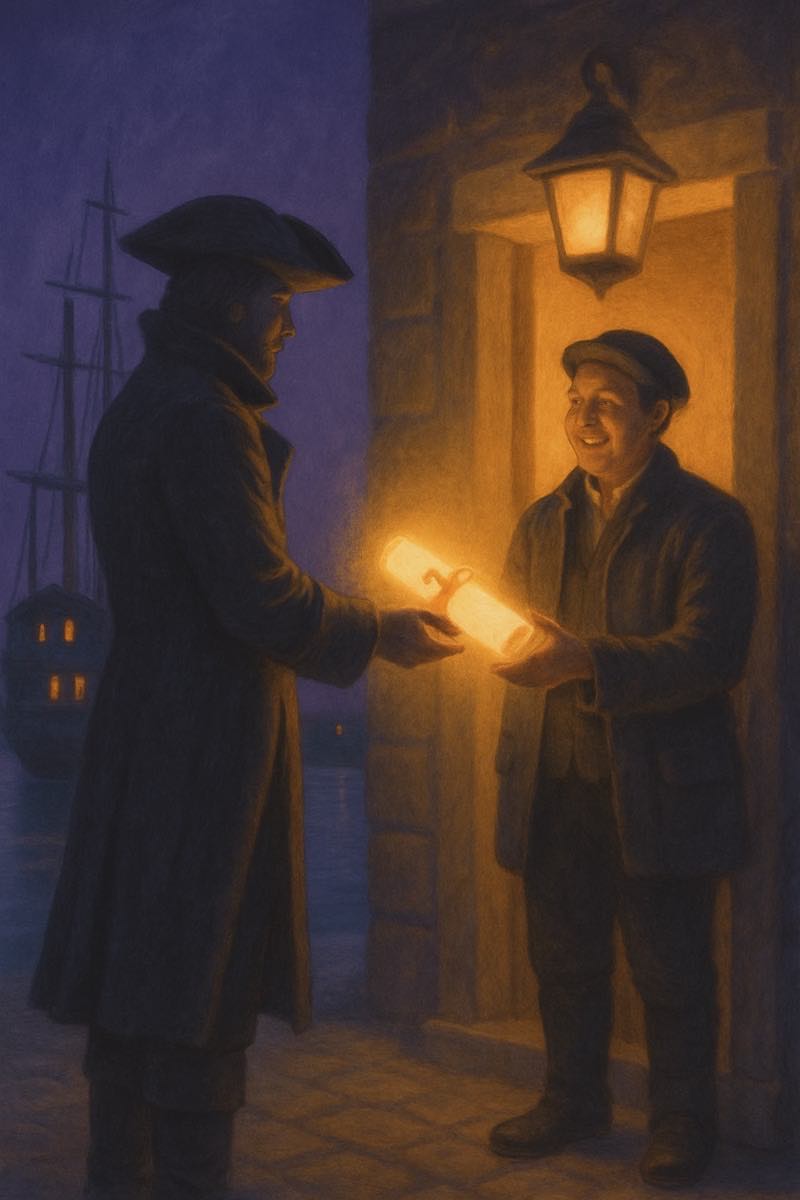
Centuries ago, sickness often traveled by ship. So ports began handing departing captains a paper called a bill of health, describing whether any infectious disease was known in the port they were leaving.
A clean bill said no infection was known there. With one in hand, a ship’s crew and passengers could come ashore. A foul bill meant the port had disease, usually plague, and the ship faced quarantine before anyone could land.
Malta was issuing bills of health as early as 1576, and by the 1600s ships around Europe were expected to carry them. Some ports also used a “suspected” or “touched” bill, for when there were only rumors of sickness.
By the mid-1800s, “a clean bill of health” was showing up beyond the docks. Doctors gave them to patients, and investigators gave them to people and companies found free of wrongdoing.