The story
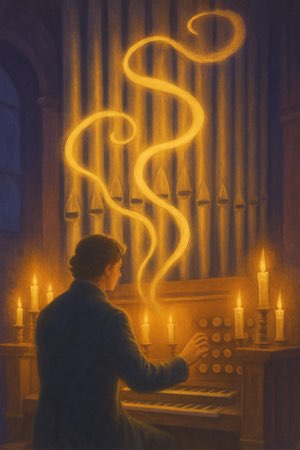
Some musicians can hear a tune and play it straight back, no written notes needed. English has long had a word for that gift: a good ear.
In 1658, John Playford’s music guide, A Breif Introduction to the Skill of Musick, spoke of learning “to play by rote or ear without book”—that is, without sheet music.
Writers soon borrowed the image. In 1839, The Edinburgh Review compared two authors: “Miss Austen is like one who plays by ear, while Miss Martineau understands the science.” Jane Austen, in other words, worked by feel. She did not need the rules to get it right.
The modern sense—working it out as things happen—grew up in America in the 1930s, often on the sports pages. In 1934, an Ohio newspaper called the Brooklyn Dodgers “the young men who play by ear.” A year later, The New York Times quoted a football player: “I play it by ear only.” Soon it meant much more than music or sports.