The story
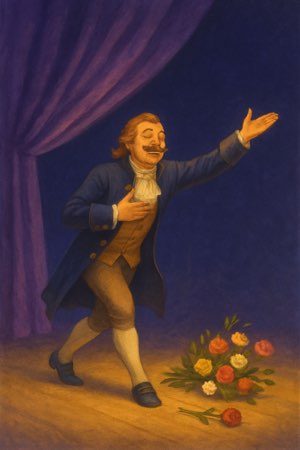
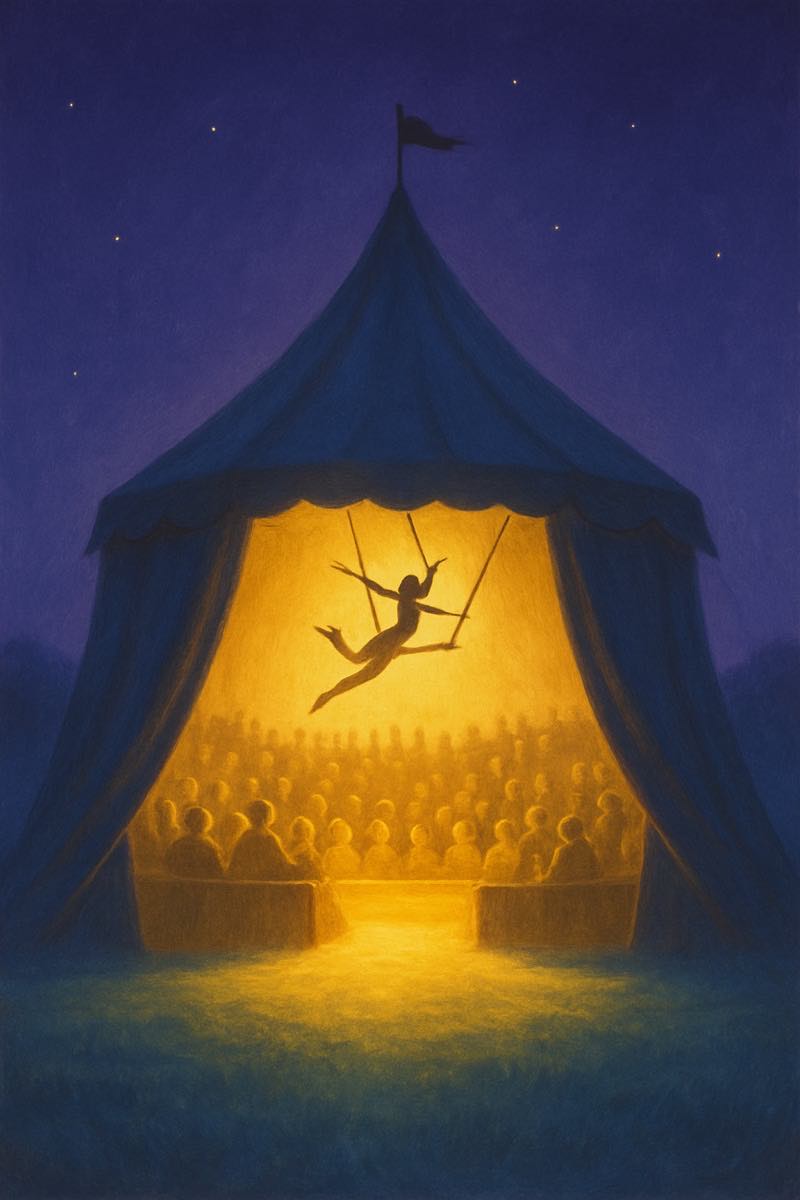
Nineteenth-century circuses traveled from town to town, and something always went wrong: an injury, a missed cue, bad weather, a sick performer. The crowd had paid and was waiting, so the next act came out anyway.
One popular story says the band and ringmaster kept the program going whenever trouble struck, so the audience wouldn’t panic. It’s a good story, but no one has found records to prove that is where the phrase began.
The earliest known uses, from 1866 on, actually come from American newspapers talking about politics and public events. But by 1878 the phrase was firmly in the circus ring. A Chicago Tribune piece described a clown who had to perform no matter what: “the show must go on all the same, and he must play his part.”
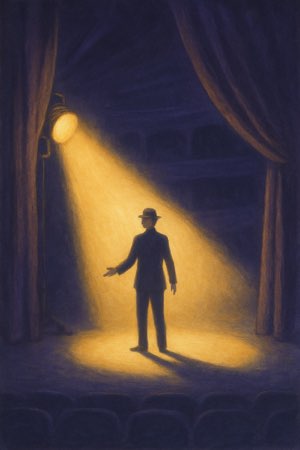
A year later, P. T. Barnum was quoted telling his staff, “The show must go on even after I am gone.” From the circus, the words moved to the theater, where they became a performer’s creed.