The story
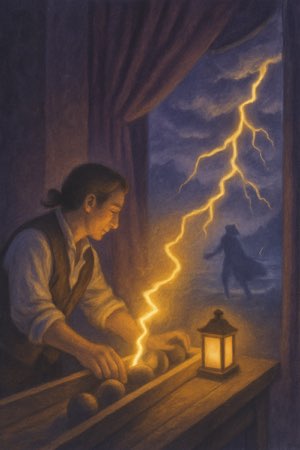
In the 1820s, the English inventor Goldsworthy Gurney found that a flame of burning oxygen and hydrogen, aimed at a block of quicklime, made the lime glow a brilliant white. It was one of the brightest lights anyone had seen.
The Scottish engineer Thomas Drummond saw the effect demonstrated and built a working lamp in 1826. He used it for surveying, so mapmakers could sight a point from many miles away. For years the light was known as the Drummond light.
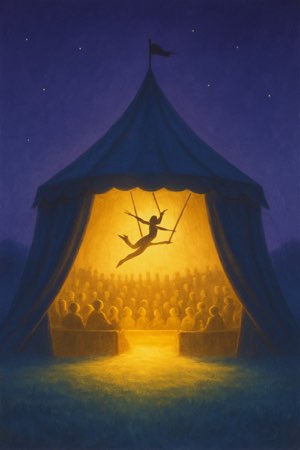
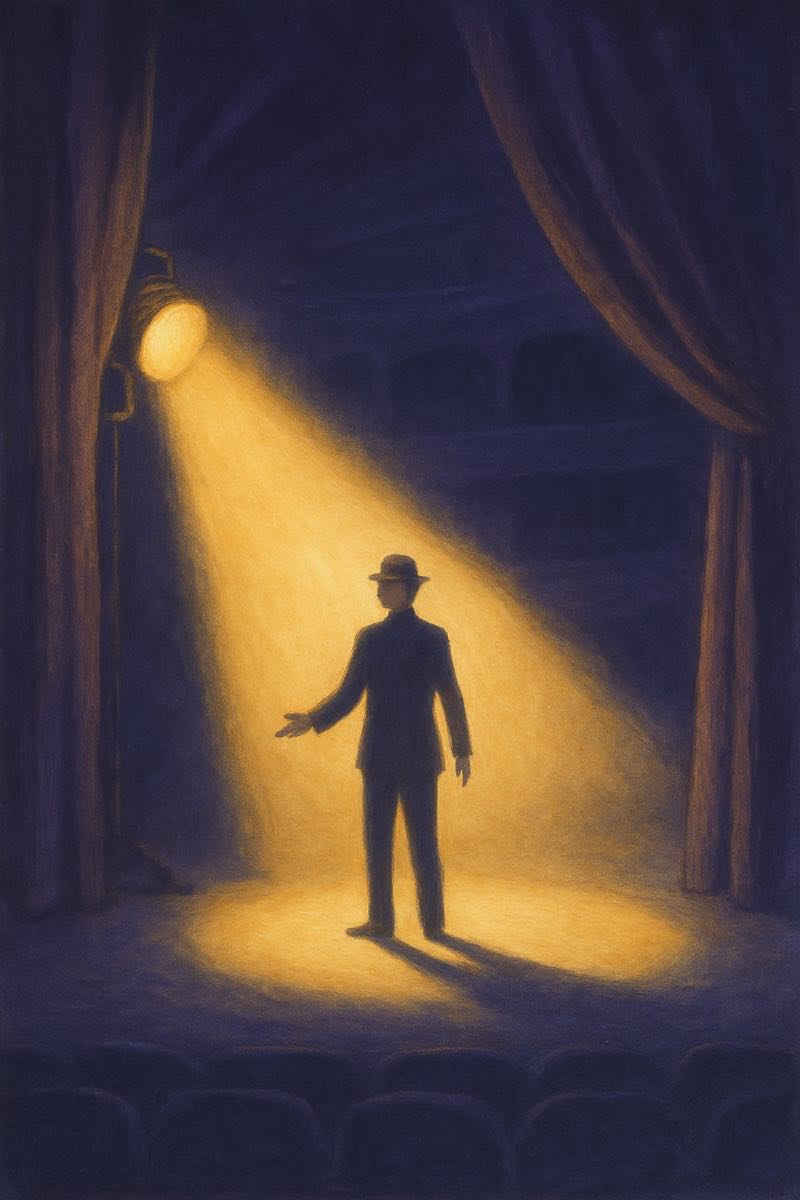
Theaters soon wanted it. In 1837, limelight lit a stage indoors for the first time, at London’s Covent Garden. By the 1860s and 1870s, theaters around the world used it to follow the lead actors, who stood literally in the limelight.
Limelight was fussy and could be a fire risk, because an operator had to keep adjusting the burning lime. By the end of the 1800s, electric lights had mostly taken over. The phrase stayed, and soon anyone in the public eye was in the limelight.