The story
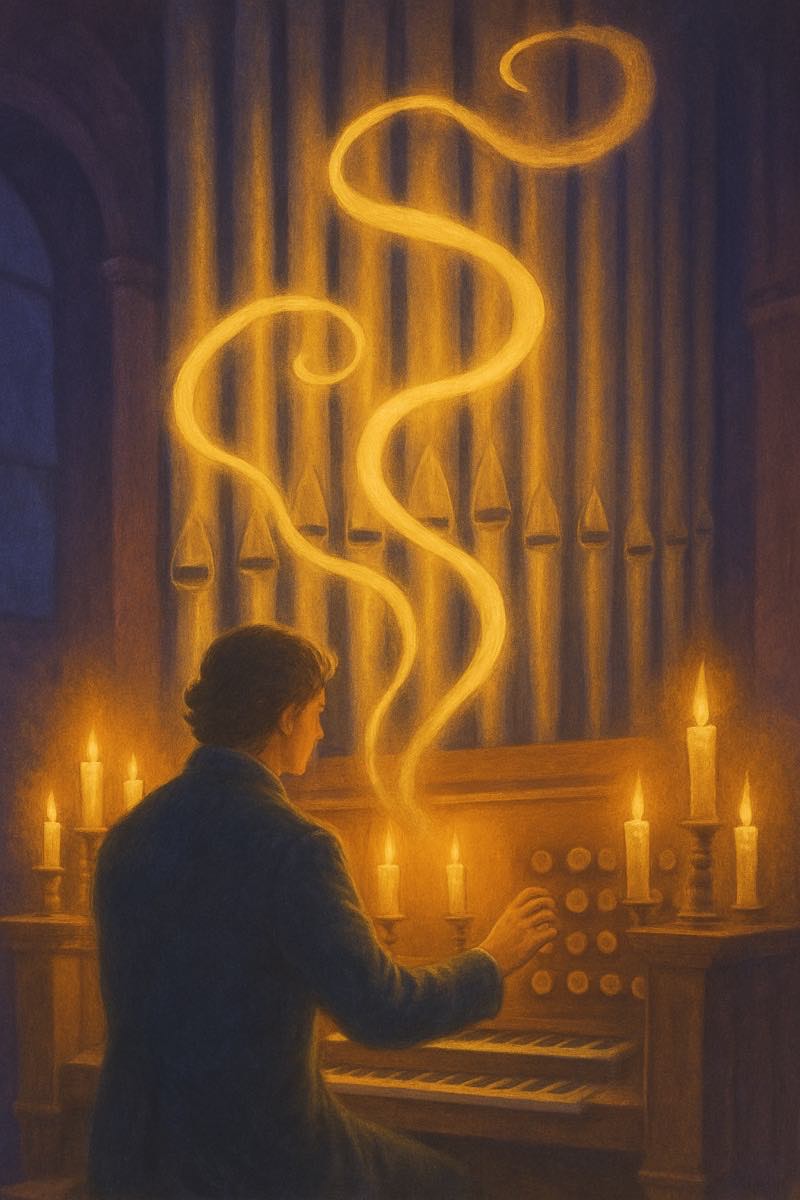
A great pipe organ has rows of knobs beside the keyboards. Each knob is called a stop, and each one controls a set of pipes with its own voice, from soft flutes to booming trumpets.
An organist who pushes most of the stops in gets a quiet, gentle sound. Pull a few more out and the music grows. Pull out every one and the whole organ roars at once, with every pipe in the building ready to sound.
That picture was too good to leave in the organ loft. In 1865, the English poet and critic Matthew Arnold wrote of trying “to pull out a few more stops” in the narrow-toned organ of the modern Englishman, meaning to bring out more of his range.
Newspapers soon ran with it, often with a wink, since “organ” also meant a newspaper or a party’s mouthpiece. By the 1870s, writers described party papers “pulling out all their stops” to make as much noise as they could. From there, it came to mean going all out on anything.