The story
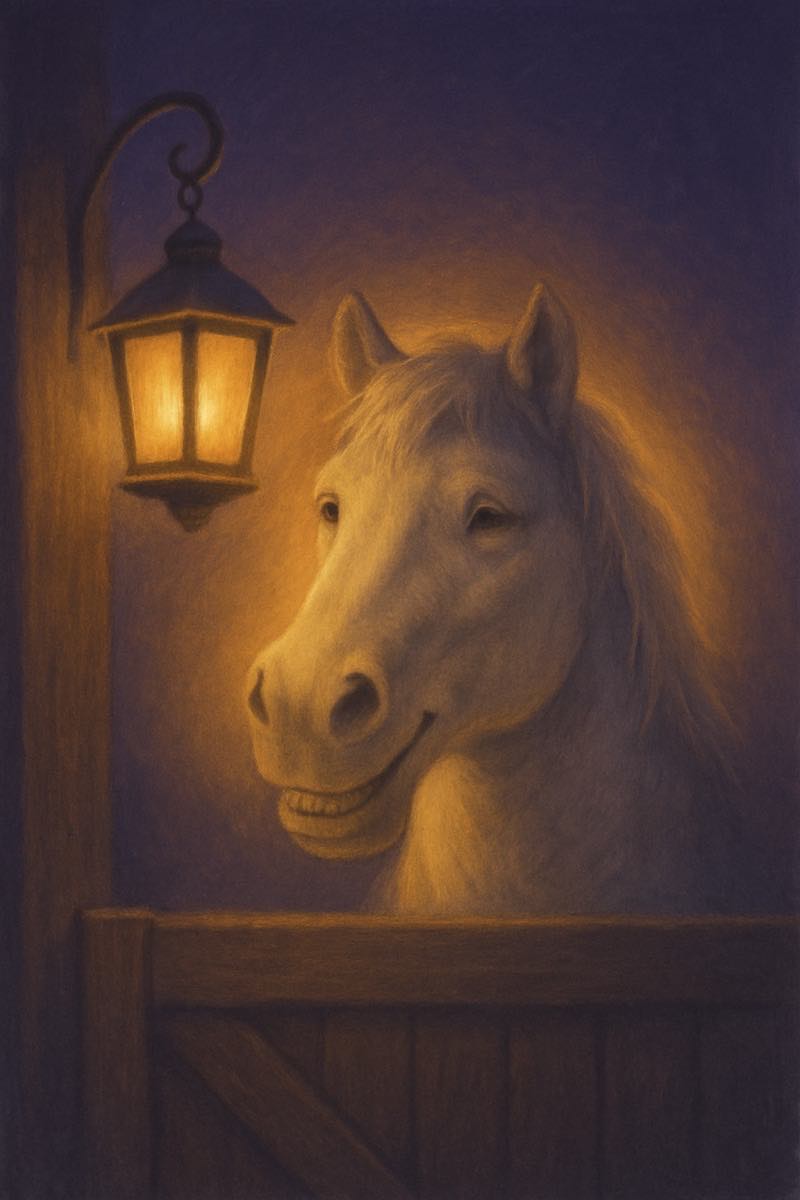
Horse buyers have long checked a horse’s mouth before handing over money. The teeth tell the story. Patterns of wear and growth let an experienced eye estimate a horse’s age.
A horse’s teeth keep pushing up out of the jaw throughout its life, about an eighth of an inch a year, as the chewing surfaces wear down. As the gums draw back with age, an older horse’s teeth look longer and longer. A horse that was long in the tooth was no youngster.
By the 1800s, the phrase had trotted out of the stable. In 1852, William Makepeace Thackeray used it for a person in his novel The History of Henry Esmond. Others followed, and it settled in as a gentle, slightly teasing way to say someone is no longer young.