The story
No one knows for sure where this one comes from, but it really is old. The poet John Gower used an early version in 1390, in Confessio Amantis: “What with hepe and what with croke.” A “hepe” was a curved billhook, a farmer’s cutting tool.
By 1583, the writer Philip Stubbes had the familiar form: “Either by hooke or crooke, by night or day.” The pairing was useful because it covered every way of getting something, fair or otherwise.
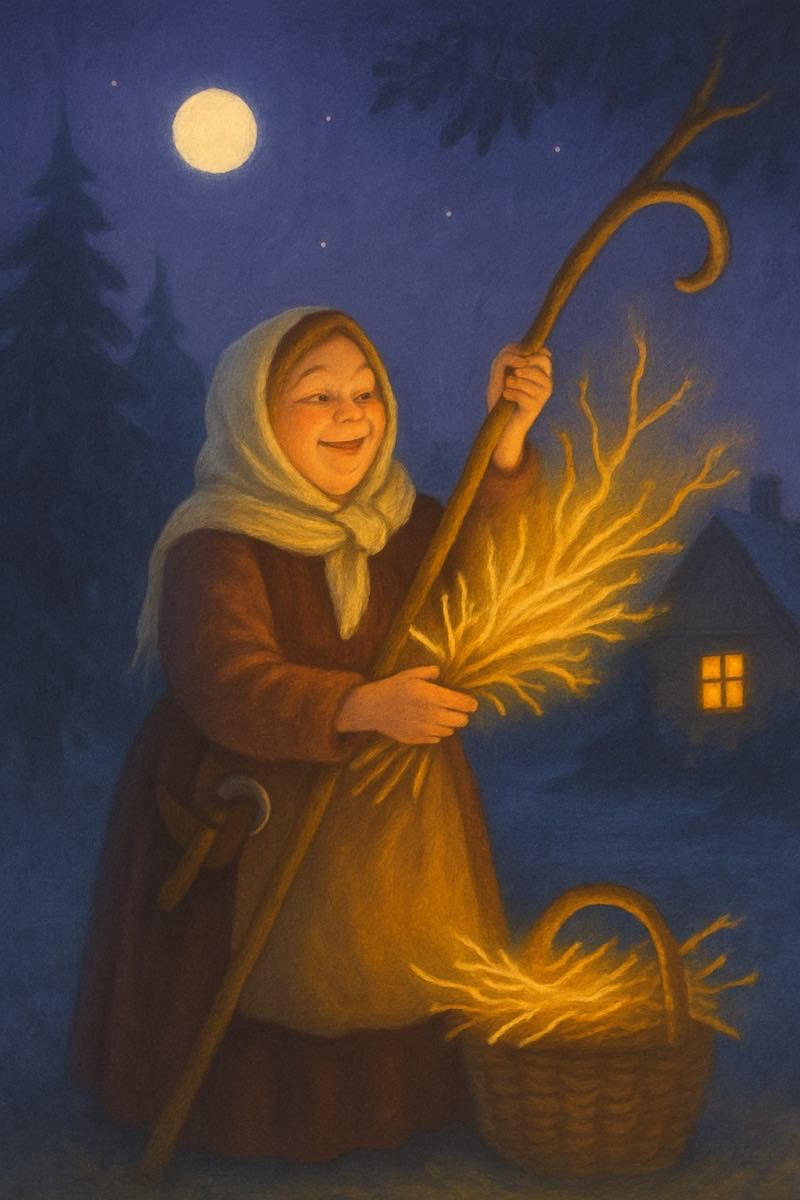
The favorite story takes us into the royal forests of medieval England. Villagers were said to be allowed to gather dead wood there, but only what they could pull down with a billhook or a shepherd’s crook. The writer William Cobbett described a custom like this in the 1820s. It fits nicely, but no one has proved the phrase came from it.
Another tale says Oliver Cromwell vowed to take the Irish port of Waterford “by Hook or by Crooke,” meaning by landing at Hook Head or at the village of Crooke on the other side of the harbor. That siege was in 1649, long after the phrase was already in print.