The story
The innards of a deer—heart, liver and the like—were once called “numbles,” from an old French word. Over time the n slipped away, leaving “umbles.”
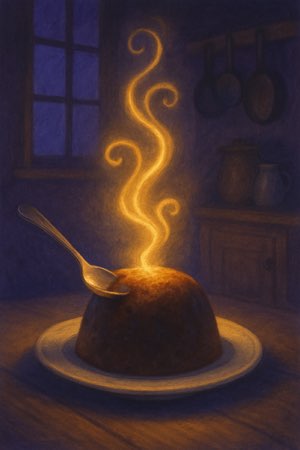
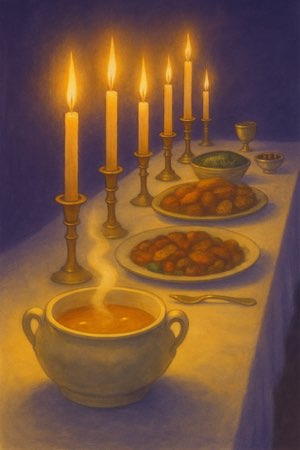
Cooks baked them into umble pie. It was not a lowly dish. On July 5, 1662, the diarist Samuel Pepys served umble pie with venison to guests, and a year later he praised one “hot out of her oven.” A 1669 cookbook by Sir Kenelm Digby gave a recipe for “Humble-Pyes,” spelled with an h.
That spelling hints at the joke to come. In older English, “humble” was often said without its h, so umble and humble sounded alike. The pun was too good to waste.
The first known figurative use appeared in an American newspaper in 1812, in a political poem about making Britain “swallow humble pie.” By 1830 a dictionary of East Anglian speech said to eat humble pie was to lower one’s tone and be submissive.
A popular story says umble pie was servants’ food, eaten below stairs after the lord’s hunt. The record doesn’t really back that up: Pepys was happy to serve it to company, and Digby gave it a proper recipe.