The story
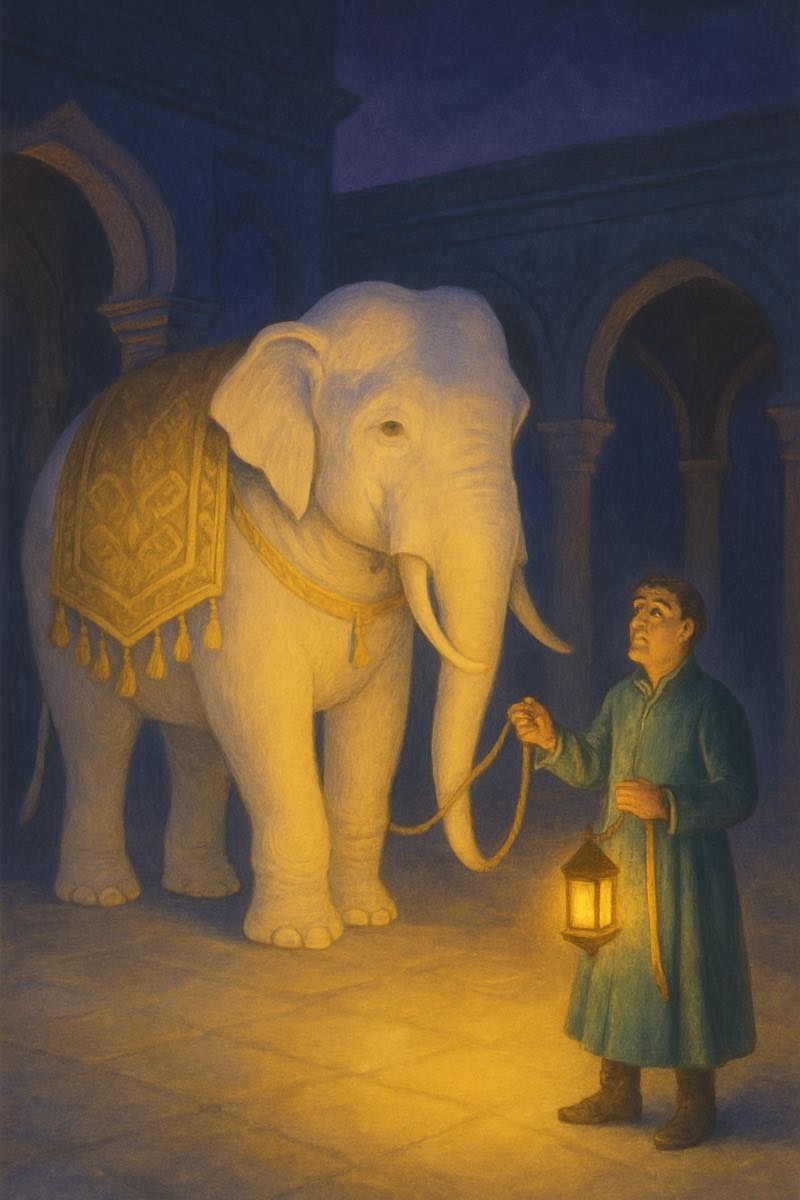
In Thailand, Myanmar, Laos and Cambodia, a rare white elephant was a royal treasure. Owning one was taken as a sign that the king ruled with justice and power, and that the land would enjoy peace and plenty. Some kings even worked the animal into their titles.
But a treasure like that came with a catch. A white elephant was protected from ordinary labor, so it couldn’t be put to work. It was costly to feed and keep, and it couldn’t simply be given away.
One popular story says a king would present a white elephant to a courtier who had displeased him. The gift was an honor no one could refuse, and the upkeep would slowly drain the man’s fortune. It’s a wonderful tale, but no one has proved it ever happened.
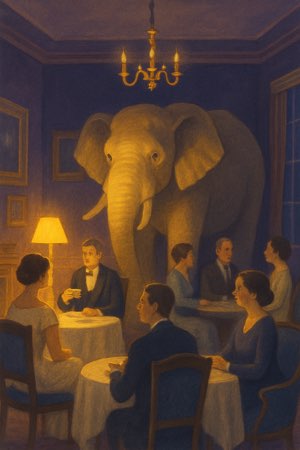
English speakers picked up the idea in the 1800s. By the middle of the century, “white elephant” meant any grand possession that costs far more than it gives back: a vast house, a showy building no one uses, a gift nobody wants.