The story
The words come from the English poet Alexander Pope, in An Essay on Man, a long poem published in 1733 and 1734. It came out without his name on it. Pope didn’t admit he wrote it until 1735.
In the first part of the poem, Pope writes: “Hope springs eternal in the human breast: / Man never is, but always to be blest.” We are never quite happy right now, he says, but always expecting to be.
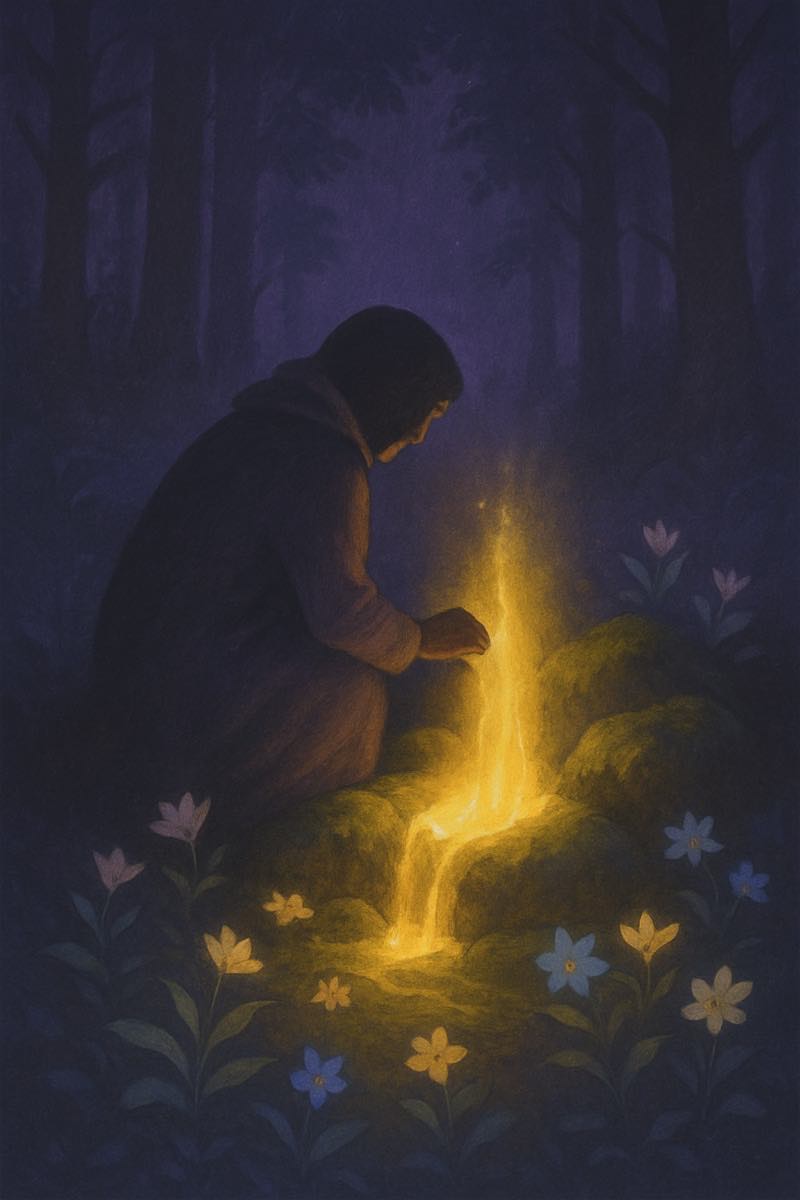
The image is a natural spring. Like water welling up from the ground, hope keeps rising on its own, however often it is disappointed.
The poem was a sensation across Europe. Voltaire first praised it as the most sublime teaching poem ever written, though he later turned against its sunny view. The famous line slipped loose from the poem and became a proverb on its own.